
What Another Season of Waiting Actually Costs
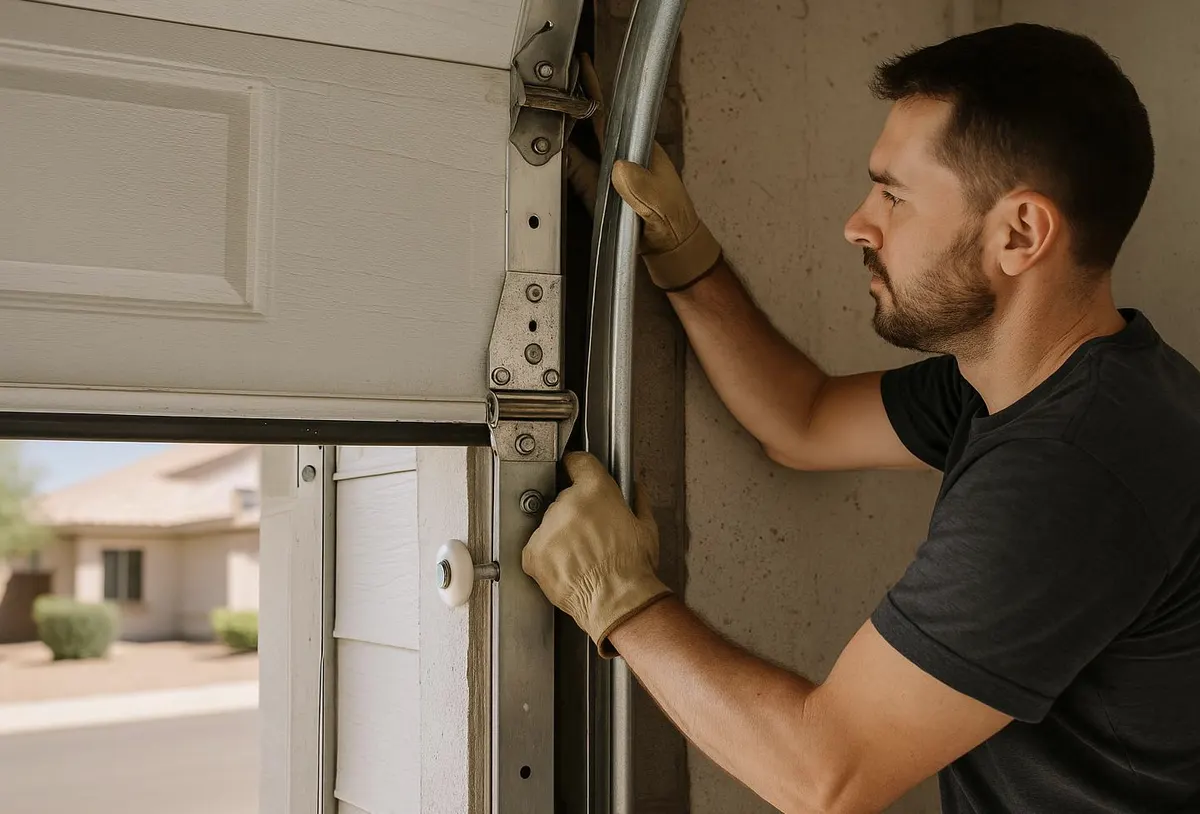
Here's the argument in one sentence: ignoring a tired garage door doesn't save money, it just moves the bill to a worse day. A spring that's overdue for replacement doesn't politely retire — it snaps, usually while the door is halfway up, sometimes taking a cable or a panel with it. An opener that's been straining for a year doesn't fail on a calm Tuesday; it fails during a tropical storm warning when you actually need the door to seal shut. A $150-300 spring job put off for one more season can turn into a $1,500+ door replacement. That's the whole debate, really — is it cheaper to deal with this now or later? It's almost always now.
How Long Things Are Actually Supposed to Last
There's no single answer because a garage door system is really three systems wearing out at different speeds.
- Torsion springs: rated for roughly 10,000 cycles, which works out to about 7-9 years for an average household opening the door twice a day. Heavier doors, more daily trips, or a household running two cars in and out multiple times a day will burn through that faster.
- Openers: motors typically last 10-15 years. The gear, the drive belt or chain, and the electronics wear at different rates, so a unit can seem fine and then need three repairs in six months as everything ages out at once.
- The door itself: steel and aluminum doors can run 15-30 years with decent maintenance; wood and composite doors often land on the shorter end, especially in humid climates.
Those numbers assume average conditions. Sopchoppy doesn't offer average conditions.
What's Actually Shortening Your Garage Door's Life Here
This is the part that doesn't show up in a manufacturer's spec sheet.
- Humidity and swelling: wood panels and wood-composite doors absorb moisture in our thick, humid air. They swell, stick, and warp, which puts extra strain on the opener every single time it lifts the door.
- Salt air: homes closer to the coast — Panacea, St. Marks, Ochlockonee Bay — see faster corrosion on hinges, springs, and track hardware. Rust doesn't just look bad; it adds friction, which makes the opener work harder and wears the spring faster.
- Afternoon downpours: sudden heavy rain finds its way into gaps around worn weatherstripping and bottom seals, leading to water pooling at the base of the door, rot in wood components, and rust where water sits on metal track.
- Heat: attic-mounted openers in Florida garages run hotter than the manufacturer's test conditions ever assumed. Heat breaks down lubricant faster and can shorten motor life.
- Wind-load stress: doors rated for wind load are built to flex and hold during storm-season gusts, but every storm cycle still puts stress on panels, track, and the points where the door is anchored. A door that's already weakened by rust or swelling is more likely to show damage after a rough season.
What Actually Extends It
None of this is exciting, which is exactly why most people skip it.
- Lubricate hinges, rollers, and springs every few months — more often near the coast — with a garage-door-specific lubricant, not WD-40, which attracts dust instead of repelling moisture.
- Get an annual tune-up that checks spring tension, tightens hardware, and inspects cables before they're frayed instead of after.
- Replace weatherstripping and bottom seals as soon as they crack or flatten — this is your main defense against water intrusion during downpour season.
- Test the door's balance once or twice a year by disconnecting the opener and lifting the door by hand. It should stay put at waist height. If it drops or shoots up, the springs are compensating incorrectly and wearing out faster than they should.
- Keep the track clear of sand, pine debris, and salt residue so rollers don't grind against grit every time the door moves.
Signs You're Closer to the End Than You Think
- A loud bang from the garage followed by the door refusing to open — that's almost always a broken spring.
- The opener grinds, strains, or takes noticeably longer to lift the door than it used to.
- Visible rust on springs, hinges, or track, especially near the coast.
- Panels that look swollen, warped, or don't sit flush anymore.
- Remote response gets laggy or inconsistent, which often points to an aging circuit board, not just a battery.
Repair or Replace — the Real Math
A worn spring or a failing opener is almost always worth repairing — those are contained, predictable jobs. But if the door itself has rot, significant rust, or panels that no longer seal because of years of swelling and warping, repeated repairs start adding up to more than a new door would cost, and you're still left with an inefficient, storm-vulnerable door at the end of it.
When to Call Precision Garage Door of Sopchoppy
If you're hearing grinding, seeing rust creep across the hardware, or you genuinely can't remember the last time anyone inspected the springs, that's the moment to call — not after something breaks. Precision Garage Door of Sopchoppy offers Garage Door Tune-Up & Maintenance to catch corrosion, imbalance, and worn hardware before they turn into an emergency, and Garage Door Spring Repair for the jobs that shouldn't wait. We'll tell you straight whether you're looking at a quick fix or a door nearing the end of its run.
If your garage door has been part of a running argument at your house, let us settle it. Call Precision Garage Door of Sopchoppy today and get a straight answer for your home in Sopchoppy, FL.